
In the modern industrialization era, mechanical machining is the backbone of manufacturing. This process creates all the equipment and machinery around us. However, not everyone fully understands what mechanical machining is. Many people cannot distinguish between today’s advanced technologies. Experts from Dai Thanh Phat Mechanical & Construction Co., Ltd. will explain. We will analyze the methods and practical applications in detail. Let's explore now to choose the best solution for your project!
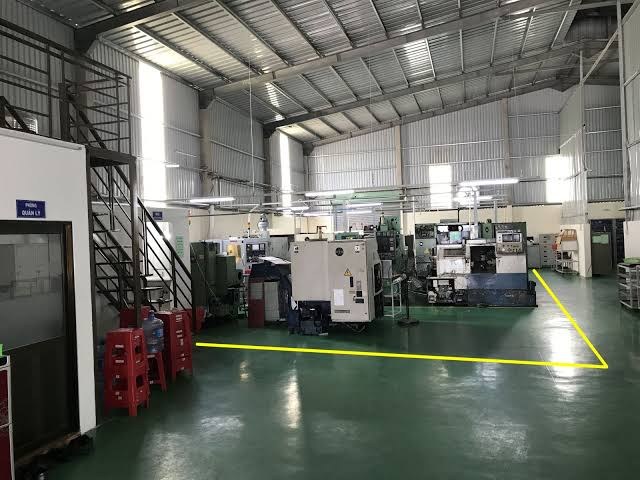
1. Overview: What is mechanical machining?
The mechanical industry is the foundation of the modern industrial economy. Understanding this concept helps you optimize the entire production process.
1.1. The concept of mechanical machining
Mechanical machining is the process of manipulating raw materials. Workers use machinery, tools, and technology to cut materials. The goal is to create parts with required shapes. Products must achieve precise dimensions according to technical drawings. This process includes physical, chemical, or thermal impacts. This is a process that requires high meticulousness. Machining workshops always update new machines to increase productivity.
1.2. The importance of the mechanical engineering industry
Mechanical engineering is the driving force of economic development. It directly supports construction, healthcare, and aviation industries. Without mechanical machining, other industries would simply stagnate. It helps automate production and reduce manual labor. Human living standards are improved thanks to modern machinery.
2. Common mechanical machining materials today
Choosing the right material determines product durability and cost. There are two main groups of materials commonly used.
2.1. Metallic materials group
This is the most popular material group in mechanics. Iron and steel stand out with high hardness and load-bearing capacity. Inox (stainless steel) is favored for its excellent corrosion resistance. Aluminum scores high marks for its light weight and easy molding. Copper is often used for highly conductive machine parts. Each metal type will suit a specific processing method.
2.2. Non-metallic materials group
Today, non-metallic materials are also heavily machined. Engineering plastics like POM, PVC, and Teflon are increasingly popular. They offer great electrical insulation and chemical corrosion resistance. Wood and other composite materials are also widely applied. Machining non-metals requires specialized cutting tools.
3. Classification of mechanical machining methods
There are many ways to turn a raw block into finished products. Below are the most popular methods today.
3.1. Traditional machining methods (With chips)
Chip-forming machining is the most basic metal cutting form. This process will create an amount of chips (scrap material) removed.
3.1.1. Mechanical Turning
Turning is a method of cutting workpieces using rotary motion. The workpiece rotates while the turning tool stands still or moves linearly. It is specialized for manufacturing rotary cylindrical parts. Examples include machine shafts, gears, or screw threads.
3.1.2. Mechanical Milling
Milling uses a multi-blade rotating milling cutter to shave materials. The workpiece will move translationally in different directions. Milling is highly effective for machining flat surfaces, grooves, and steps. This is an extremely common method in mechanical workshops.
3.1.3. Drilling, Boring, Reaming, and Tapping
This group of methods creates holes on the material surface. Drilling helps create initial holes very quickly. Boring and reaming help expand and smooth out drilled holes. Tapping is used to create internal threads for holes accurately.
3.1.4. Planing and Grinding
Planing is used to machine long and narrow flat surfaces. Grinding is a surface finishing step with very high smoothness. Grinding helps parts achieve absolute precision after turning or milling.
3.2. Chipless machining methods (Pressure)
Chipless machining is often used to create rough blocks. It does not lose material but only changes the shape. Common methods include casting, forging, hot stamping, and cold stamping. Rolling and drawing also belong to this group. Additionally, welding is a way to join parts together.
3.3. Precision mechanical machining methods (CNC technology)
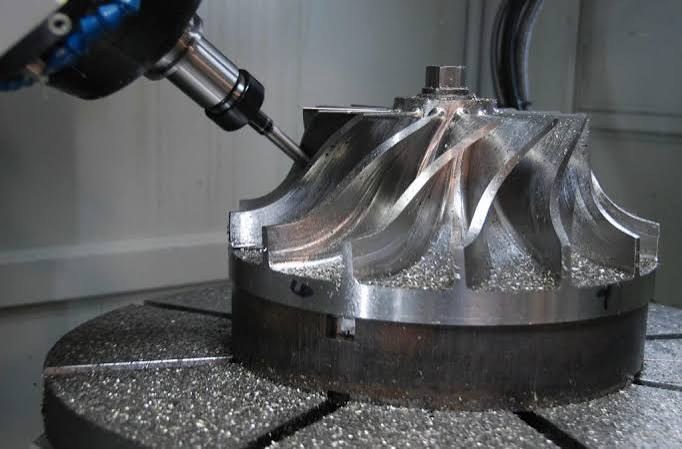
CNC (Computer Numerical Control) is a revolution in mechanics. All machine operations are programmed and controlled by computers.
3.3.1. CNC Milling and CNC Turning
CNC machines perform milling and turning at extremely fast speeds. The error is almost zero compared to manual methods. Thanks to this, the consistency of mass-produced products is very high.
3.3.2. Laser and Plasma Cutting Machining
Laser cutting uses a high-intensity beam to melt metal. Plasma beam uses high-temperature ionized gas for cutting. Both create sharp cuts on highly complex profiles. This method is very suitable for sheet metal cutting.
3.3.3. Electrical Discharge Machining (EDM)
EDM uses electrical sparks to erode hard metal workpieces. This method is highly useful when cutting super hard materials. It machines small grooves that regular cutters cannot handle.
4. Practical applications of mechanical machining
Mechanical products are present in all areas of daily life. Below are the most outstanding industry applications.
4.1. In the machinery manufacturing industry
This is the largest and most important application. It helps manufacture individual distinct machine parts. They are then assembled into frames, conveyors, and huge engines. All automated assembly lines originate from mechanical machining.
4.2. In the field of construction and architecture
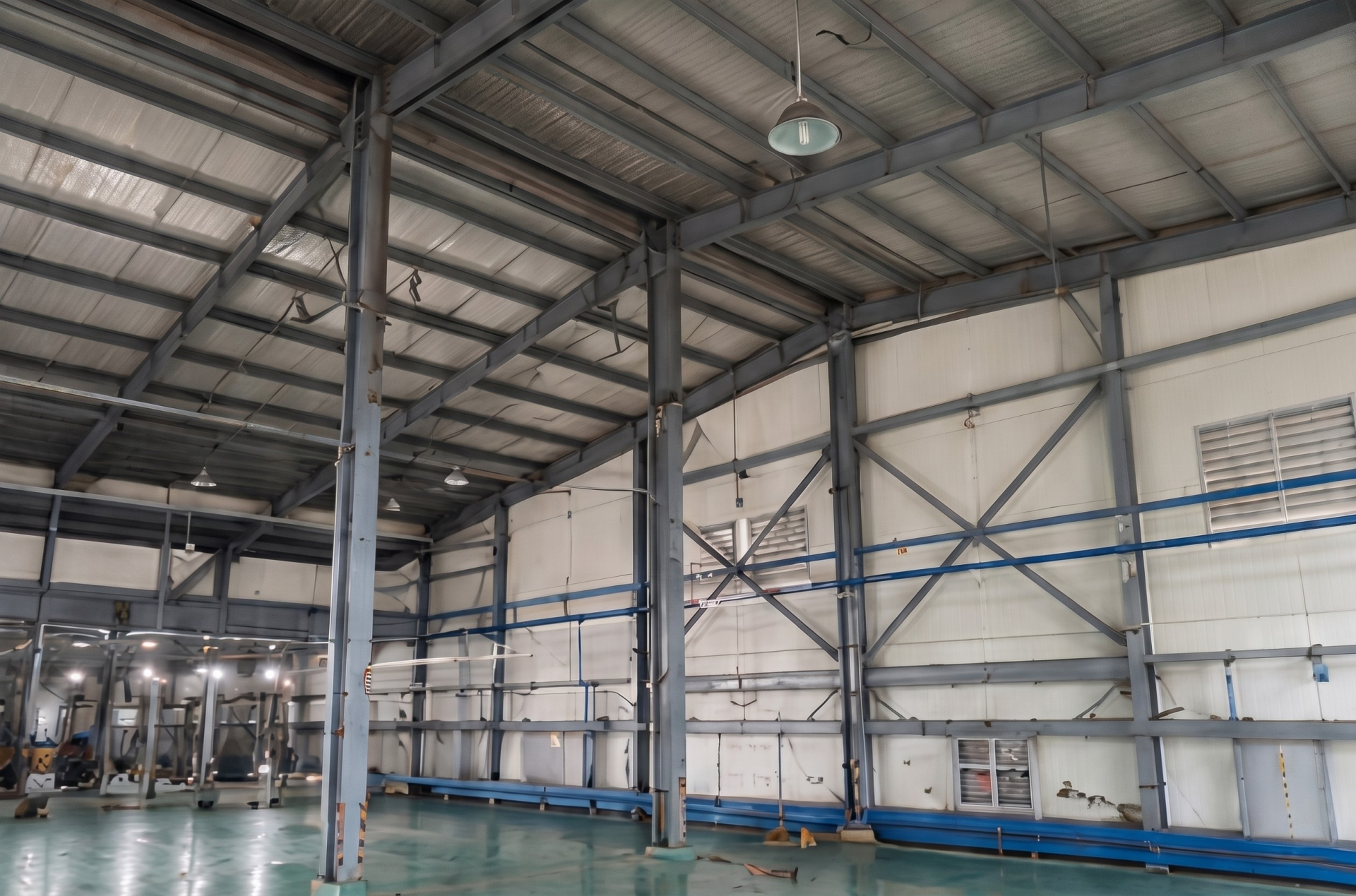
Machining steel structures is the strength of Dai Thanh Phat. We manufacture factory frames, bridge beams, and load-bearing accessories. These products ensure completely solid and safe constructions.
4.3. In the aviation and automotive industries
These two industries demand extremely strict mechanical precision. Engine parts must withstand tremendous heat and massive pressure. CNC machining is the only solution meeting this standard.
4.4. In healthcare and consumer goods
Scalpels, artificial joints, and medical equipment are from mechanics. Consumer goods like stainless steel pots are stamped and shaped. Modern life cannot be separated from these products.
5. Reputable Dai Thanh Phat mechanical machining workshop
If you are looking for a reliable partner, choose us. Dai Thanh Phat Mechanical & Construction Co., Ltd. is the number one choice.
5.1. Why should you choose Dai Thanh Phat?
We own a modern CNC machine and Laser cutting system. Our team of workshop engineers has many years of practical experience. We commit to the lowest tolerances and exquisite finishes. Delivery schedules are always exactly as committed in contracts. Furthermore, our machining prices are always competitive and optimal.
5.2. Professional machining reception process
Our workflow is very clear and highly transparent.
Step 1: We receive drawings and detailed customer requests.
Step 2: Engineers consult on materials, methods, and send quotes.
Step 3: The workshop proceeds with machining (can make samples).
Step 4: The QC team checks product quality before handover.
6. Frequently Asked Questions (FAQs)
Customers often have many questions before placing a machining order. Below are the most commonly asked questions.
6.1. How is precision machining different from traditional machining?
Precision machining uses computer-controlled CNC machines. It provides extremely small tolerances and high uniformity. Traditional machining relies heavily on manual craftsman skills. The speed of CNC machines is also much faster.
6.2. How is the machining cost calculated?
The cost depends on the material type and drawing complexity. Machine running time and order quantity also determine prices. Large quantity machining always has a cheaper unit price.
6.3. Does the workshop accept small quantity machining?
Dai Thanh Phat is ready to accept small quantity machining. We support making sample products for customer approval first. You are completely assured of quality regardless of order size.
7. Conclusion
This article has clarified the question of what is mechanical machining. We have reviewed the most advanced machining methods today. Choosing the right technology determines the success of your products. You need a reputable partner to realize your drawings. Contact Dai Thanh Phat Mechanical & Construction Co., Ltd. today. We are ready to advise and provide the best quotes.
Hotline: 0972154208
Email: daithanhphat0618@gmail.com
Workshop Address: Land Parcel No. 3320, Map Sheet No. 13, Rach Bap Residential Area, Long Nguyen Ward, Ho Chi Minh City, Vietnam.